148 species across 32 families. WoRMS-validated taxonomy with care parameters from multiple sources.
LPS vs SPS vs Soft Coral — Full Breakdown Table16 species matching filters
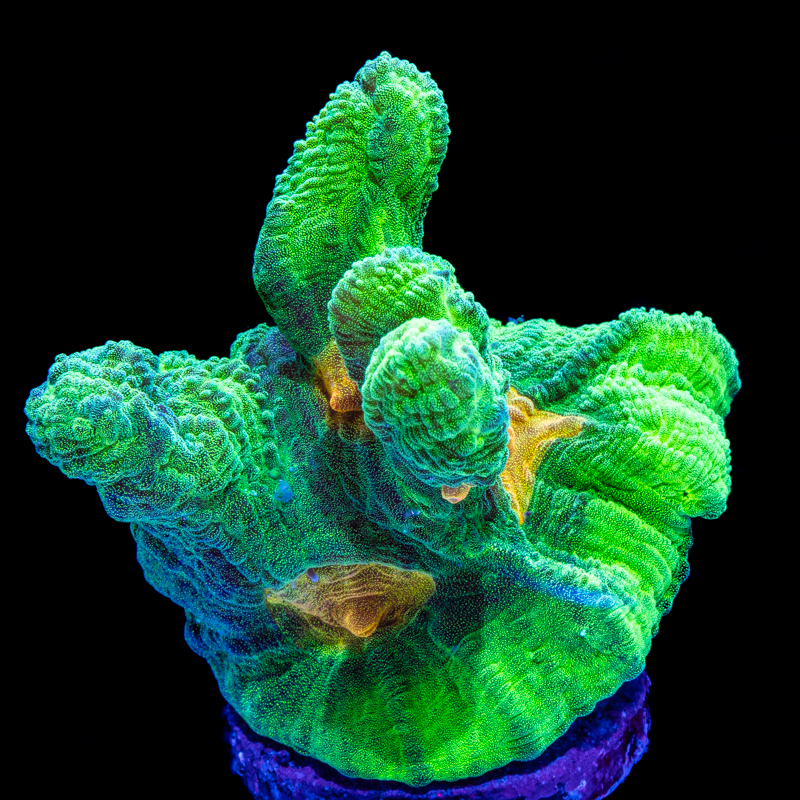
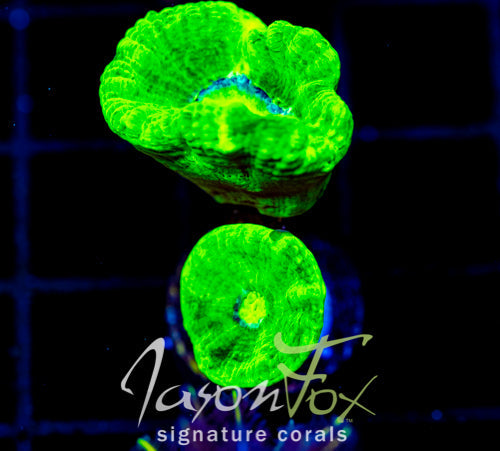
Pectinia
Chalice-like plating LPS with spiny edges. Low light lover, vivid colour morphs.
Horn Coral
Distinctive raised "horns" (hydnophores). Extremely aggressive — give wide berth.
Meteor Shower
Low-light SPS that encrusts then branches. Great for shaded spots.
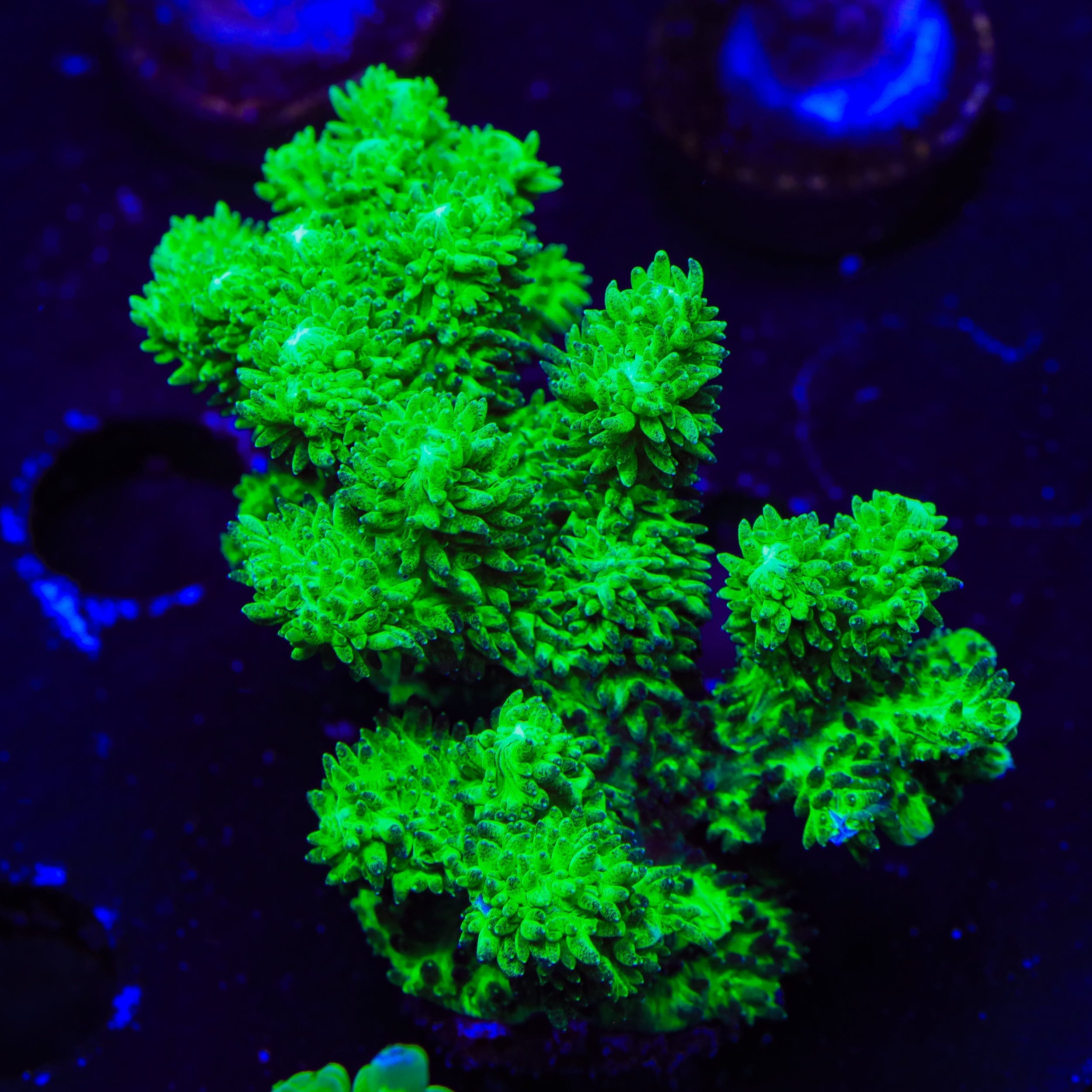
Branching Cyphastrea
Low-light SPS that encrusts then branches. Great for shaded mid-tank spots.
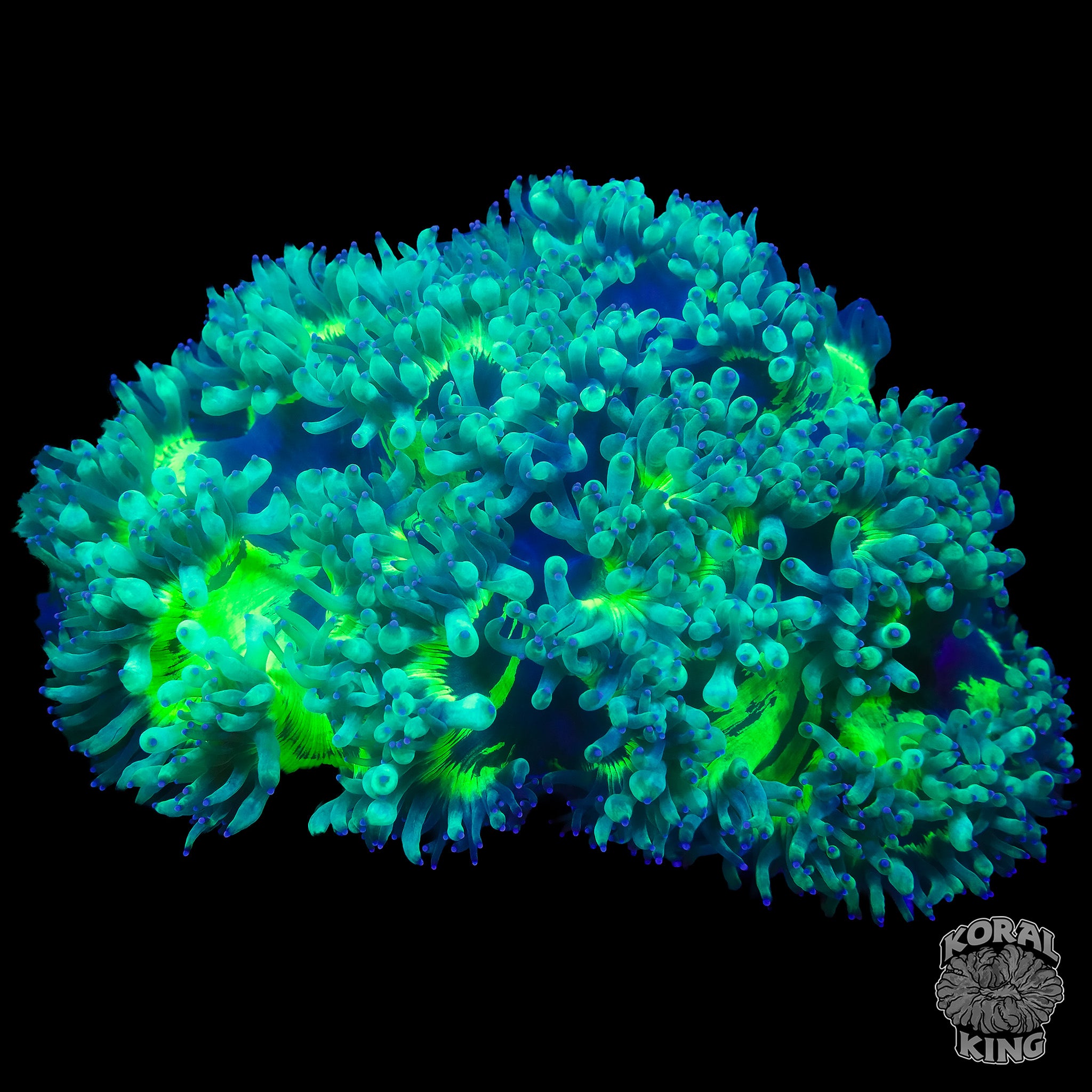
Elegance Coral
Stunning flowing tentacles. Place on sand. Prone to Elegance Coral Syndrome.
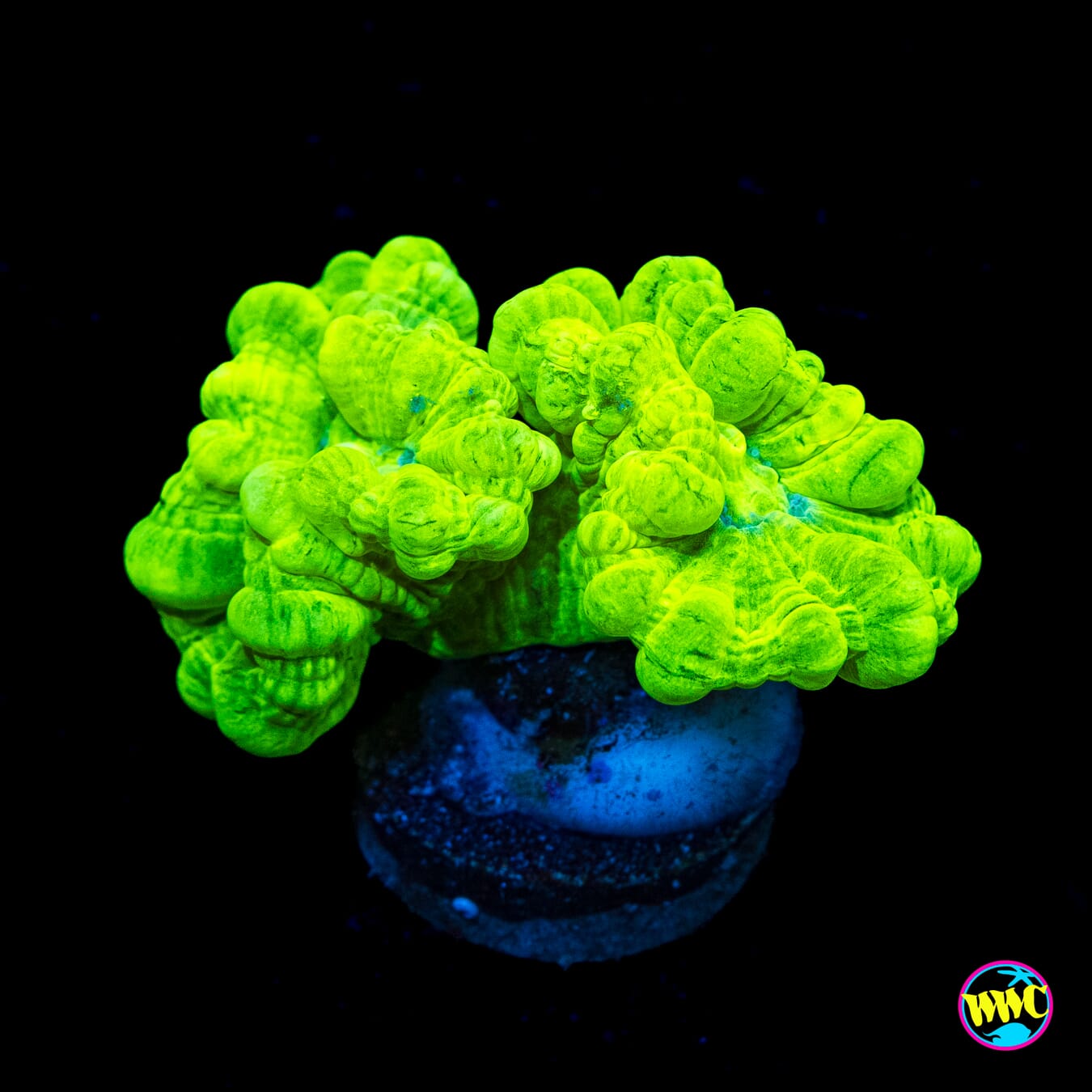
Trumpet Coral
Trumpet-shaped variant of candy cane. Slightly spiny skeleton, same easy care.
Candy Cane
Branching LPS with round polyp heads. Excellent beginner LPS — easy to frag.
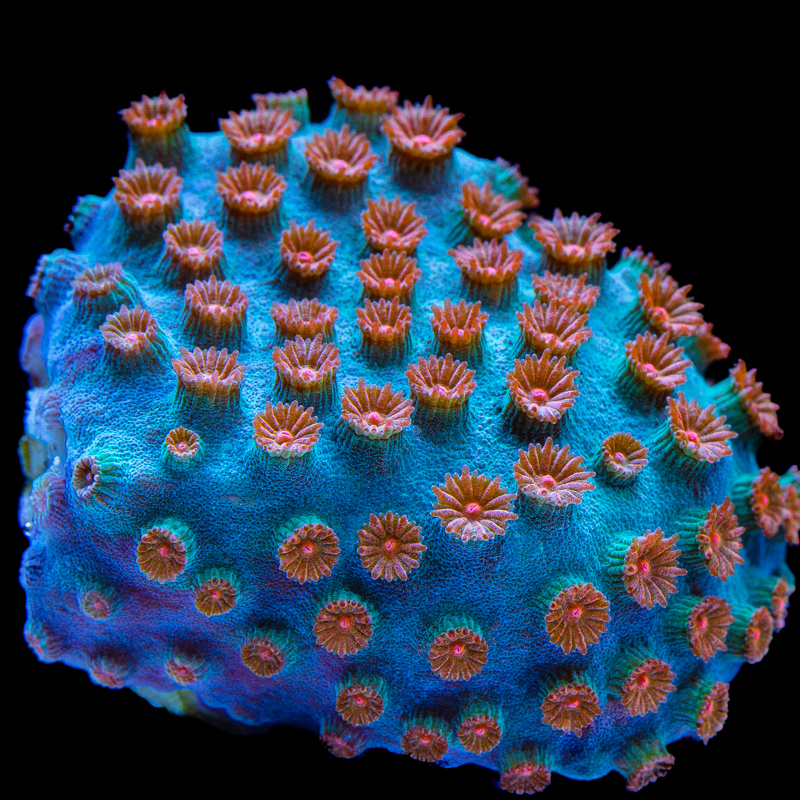
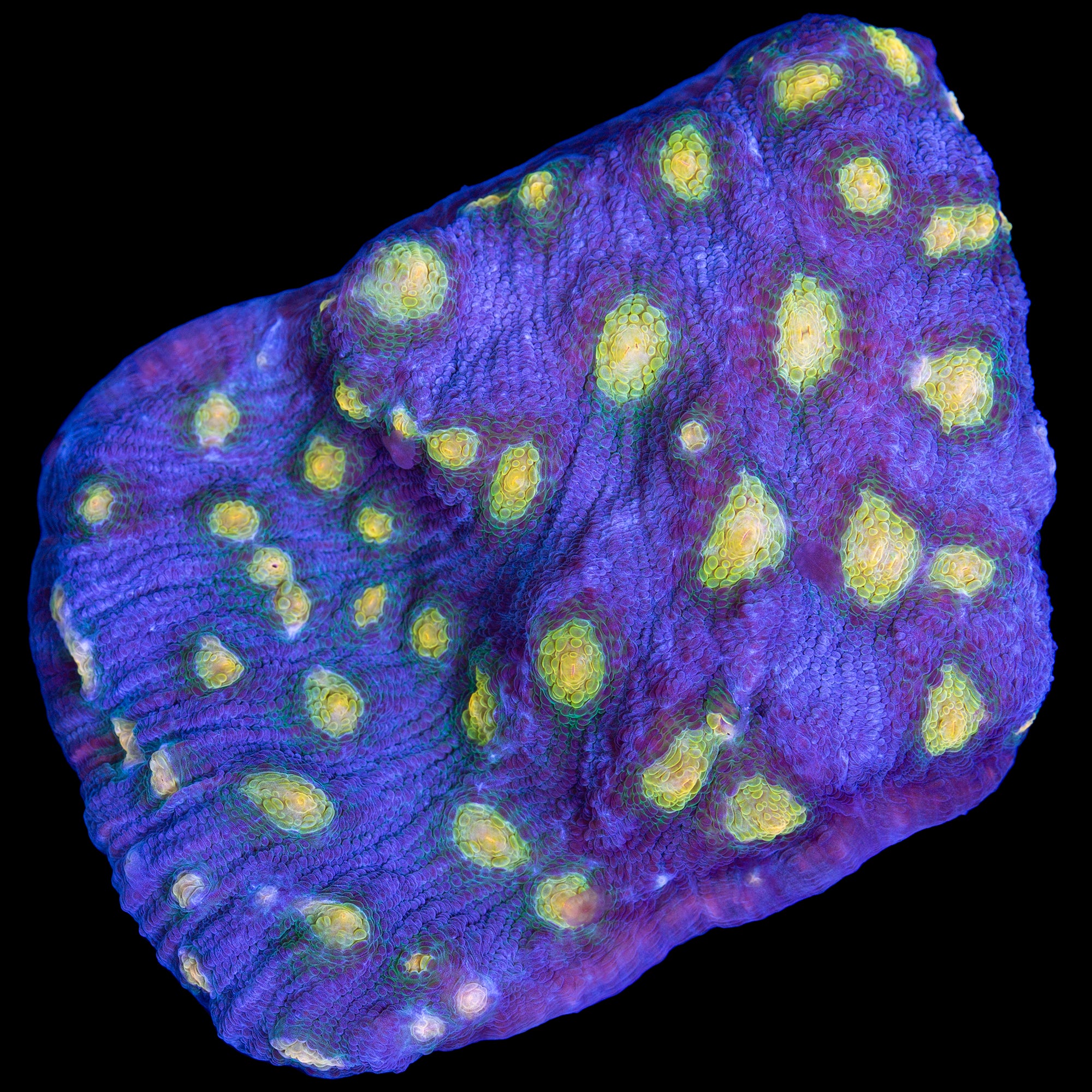
Peacock-Eye
Plating chalice with raised corallite "eyes". Grows in overlapping plates.
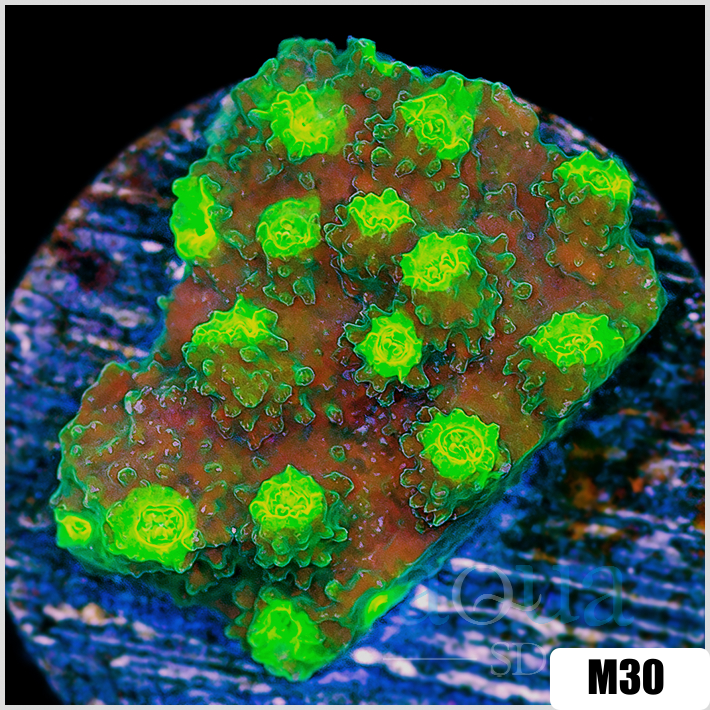
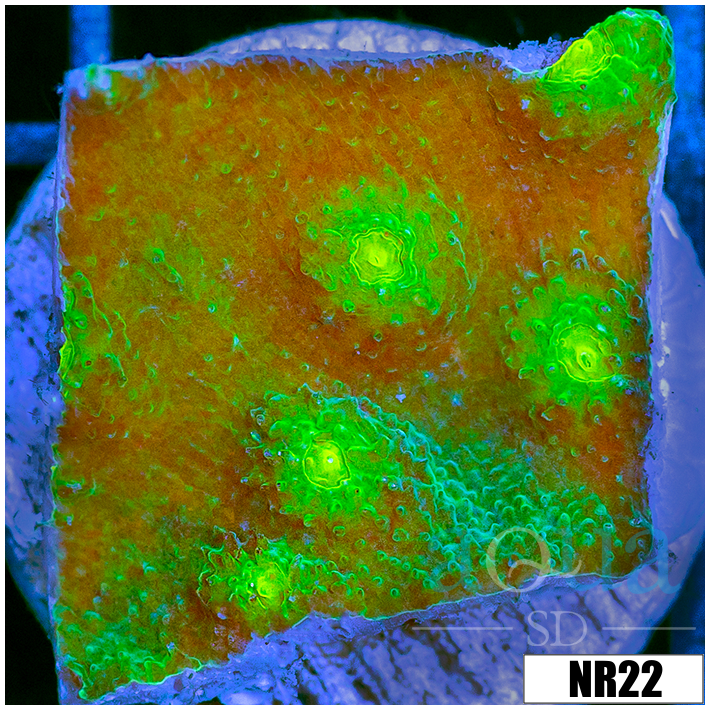
Hollywood Stunner
Fast-growing chalice relative. "Hollywood Stunner" has neon green eyes on orange.
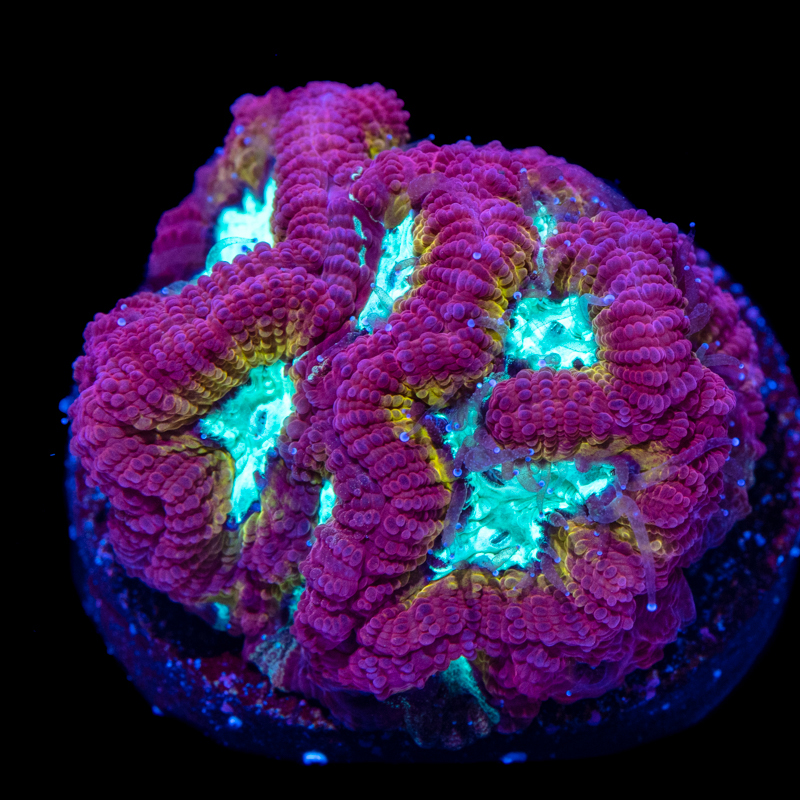
Maze Brain
Complex maze pattern. One of the hardiest brain corals — wide tolerance.
Worm Brain
Meandering worm-like valleys. Feeds readily at night when tentacles extend.
Maze Brain
Shared-wall brain coral with maze-like pattern. Very hardy reef builder.
Favia Brain
Formerly Favia pallida. Encrusting brain with separate round corallites.
War Coral
Pentagon-shaped corallites. Named for extremely potent sweepers at night.
Open Brain
Generic open brain. Must sit on sand bed — skeleton edges tear flesh on rock.
Open Brain
Fleshy free-living brain. Place on sand — never on rock. Feed meaty foods 2x/week.