Tank 01
Nathan's Mixed Reef
200
Gallons
mixed reef
Style
60
Months Old
Aquarium and Glass Exhibits
Brand
72" x 30" x 22"
Nathan's 200-gallon mixed reef, built by Aquarium and Glass Exhibits, is a mature, 5-year-old system packed with large SPS colonies. It features a 300-gallon total system volume with a plumbed frag tank, two-part dosing, continuous water changes, and a CO2 scrubber to maintain stable parameters. Nathan has moved away from ultra-low nutrient methods, finding better coral growth with nitrates around 15 ppm and phosphates at 0.15 ppm.
Lighting


Controller
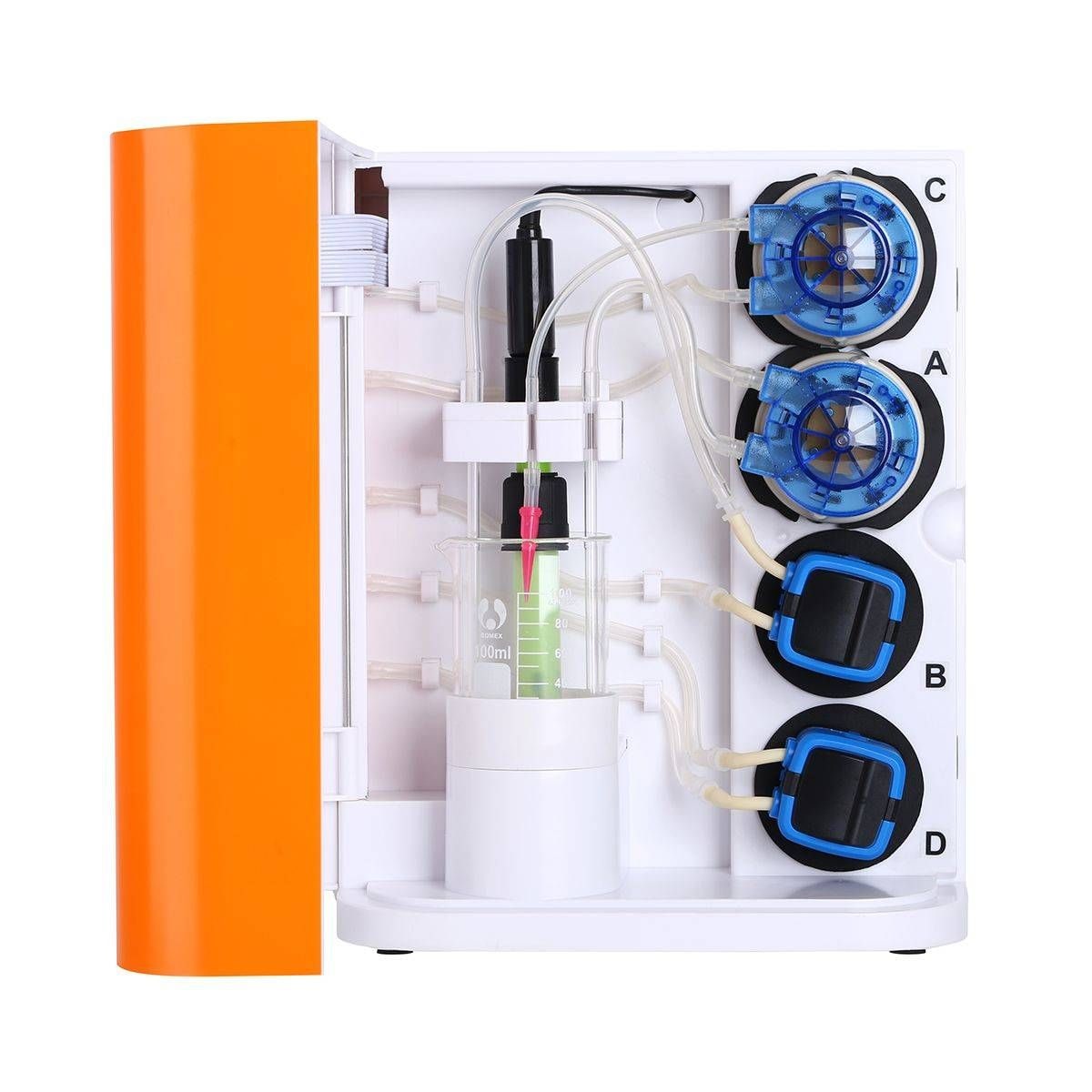
 Alkatronic $584.99in stock
Dosing
two-part
Filtration
refugium, filter sock, protein skimmer
Water Changes
7 gallons daily via continuous water change system
Husbandry & Practices
16
- The tank is a mixed reef, heavily loaded with giant SPS colonies.
- Corals are aquacultured from local hobbyists whenever possible for hardiness and pest prevention.
- The system includes a plumbed-in frag tank and a large sump, bringing total volume to around 300 gallons.
- A large quantity of live rock is used, with coral growth extensively covering and reshaping the aquascape.
- Calcium and alkalinity are maintained with a two-part dosing solution injected daily by dosing pumps.
- An Alkatronic unit monitors alkalinity and provides minor adjustments, with safety features to prevent overdosing.
- Magnesium is supplemented by adding it to the pre-mixed saltwater used for continuous water changes.
- A continuous water change system removes 7 gallons daily and replaces it with fresh saltwater over several hours.
- The sump includes a refugium section for nutrient processing and microfauna propagation.
- A CO2 scrubber is installed on the protein skimmer's air intake to raise tank pH to around 8.3.
- Raising pH with the CO2 scrubber increased coral uptake of calcium and alkalinity, requiring higher dosing.
- Bio pellet and GFO reactors were removed due to dissatisfaction with ultra-low nutrient methodologies.
- Current nitrate levels are around 15 ppm and phosphate around 0.15 ppm, promoting better coral growth.
- Water flow is primarily provided by gyre powerheads, with a small return pump.
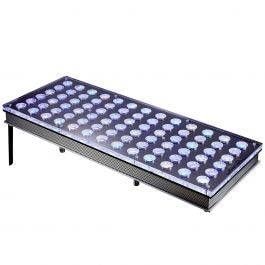
- The main display uses AI Sol Blues LEDs that have been running for 8 years.
- The frag tank uses an Orphek Atlantik LED fixture for good coral coloration.
Target Parameters
NO₃
15 ppm
PO₄
.15 ppm
pH
8.3
Corals
6
SPSAcroporaEuyphylliaLPSmushroomszoanthids
Fish
7
Blue TangTamarin WrasseBlue Star Leopard WrasseOrange Spotted FilefishPotter's AngelGoldon Rhomboid Fairy WrasseSquare Block Anthias